
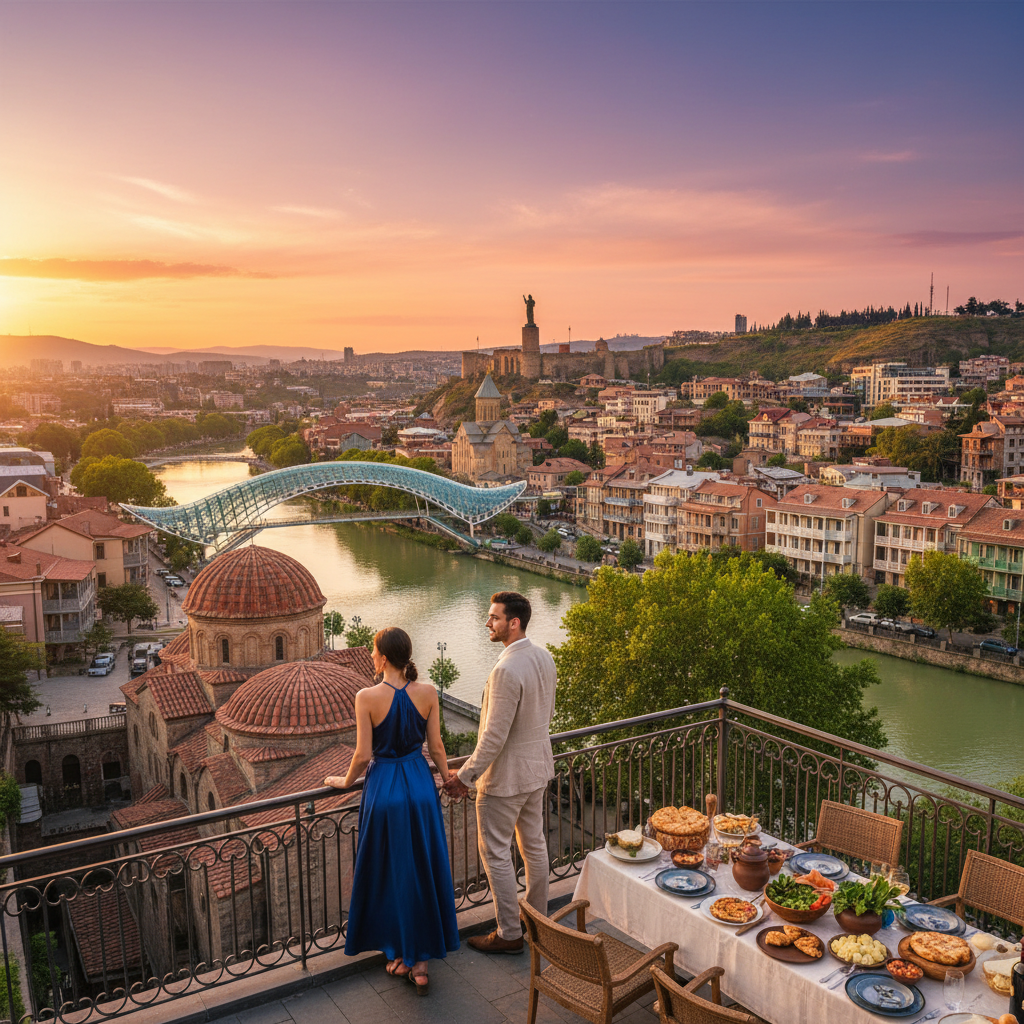
The Ultimate 2026/2027 Travel Guide to Tbilisi, Georgia
Introduction and Why Go Now
As the global travel landscape shifts toward more authentic, meaningful, and less crowded destinations, Tbilisi, Georgia, has emerged as the definitive must-visit city for 2026 and 2027. Straddling the crossroads of Eastern Europe and Western Asia, the Georgian capital is an intoxicating blend of ancient history, striking architecture, and a rapidly evolving contemporary culture. For decades, Tbilisi was a well-kept secret among intrepid backpackers and wine enthusiasts, but the word is officially out. The city is experiencing a profound artistic and cultural renaissance, drawing a new wave of modern travelers who seek immersive experiences far from the well-worn paths of Western Europe's over-touristed hubs.
Why go now? The year 2026 marks a pivotal moment in Tbilisi's evolution. The city is abuzz with an infectious creative energy, spearheaded by a spate of new contemporary art spaces, such as the newly inaugurated Art Foundation Anagi, and massive, visionary expansions at the Shalva Amiranashvili Museum of Fine Arts. Tbilisi is transforming its historical footprint into modern innovation. Heritage buildings and forgotten Soviet-era printing presses are being repurposed into fashionable, world-class boutique hotels—like the highly anticipated Telegraph Hotel—and thriving multi-use cultural complexes.
Beyond the modern additions, Tbilisi's foundational charm remains blissfully intact. You will still find the enchanting, maze-like cobblestone streets of the Old Town (Dzveli Tbilisi), where crumbling 19th-century mansions feature ornate, pastel-painted wooden balconies that lean over the winding alleys. You will still encounter the deeply ingrained Georgian tradition of 'stumar-maspindzloba' (guest-host relationship), which dictates that a guest is a gift from God. This profound hospitality translates into an unparalleled warmth that greets you everywhere, from hidden natural wine bars to lively outdoor markets.
Furthermore, as global travelers increasingly prioritize destinations that offer sustainable and value-driven tourism, Tbilisi stands out as an affordable yet luxurious alternative. Whether you are an architecture aficionado captivated by the juxtaposition of ancient Orthodox churches and brutalist Soviet structures, a foodie eager to dive into one of the world's oldest and most rich culinary traditions, or a digital nomad looking for a vibrant cafe culture, Tbilisi in 2026 is at the absolute peak of its appeal. The infrastructure has improved significantly, making it more accessible than ever, yet it hasn't lost its raw, authentic soul. Now is the time to experience the magic before it fully transitions into a mainstream European hotspot.
Top Things to Do and See
Tbilisi is a city of layers, where every corner reveals a new era of its storied past. To truly experience the city, you must embrace its eclectic nature. Here are the top things to do and see:
- Soak in the Abanotubani Sulfur Baths: No trip to Tbilisi is complete without visiting the historic Abanotubani district, where the city was fundamentally born. According to legend, King Vakhtang Gorgasali discovered these hot sulfur springs in the 5th century and decided to build his capital here (Tbilisi translates to 'warm place'). The iconic domed brick roofs of the subterranean bathhouses bubble with mineral-rich waters. Book a private room at Orbeliani Baths (known for its stunning blue-tiled, Persian-style facade) or Gulo's Thermal Spa, and be sure to opt for the traditional 'kisa'—a vigorous full-body scrub and massage that will leave you feeling completely renewed.
- Wander the Labyrinth of Old Town (Dzveli Tbilisi): Spend hours getting intentionally lost in the winding, steep streets of the Old Town. Here, you'll marvel at the intricately carved, teetering wooden balconies that are a hallmark of Georgian architecture. Highlights include the leaning clock tower of the Rezo Gabriadze Marionette Theater—a quirky, whimsical structure that looks straight out of a fairy tale—and the stunning Anchiskhati Basilica, the oldest surviving church in the city.
- Scale the Heights of Narikala Fortress: Dominating the city skyline, the 4th-century Narikala Fortress offers the most breathtaking panoramic views of Tbilisi. You can reach the fortress via a scenic, glass-bottomed cable car ride from Rike Park, soaring over the Mtkvari River. Once at the top, explore the ancient battlements and walk over to the towering aluminum statue of Kartlis Deda (Mother of Georgia). In one hand, she holds a bowl of wine to welcome friends, and in the other, a sword to fight off enemies—a perfect embodiment of the Georgian national character.
- Hunt for Treasures at the Dry Bridge Market: For a fascinating dive into Georgia's complex history, visit the daily Dry Bridge Flea Market. It is an open-air museum of Soviet memorabilia, vintage film cameras, antique silverware, traditional drinking horns ('khantsi'), and quirky retro toys. The vendors are friendly, and bargaining is expected. It's the perfect place to pick up a truly unique souvenir and strike up a conversation with locals who have lived through the country's many transformations.
- Immerse Yourself in the Creative Scene at Fabrika: To understand the modern pulse of Tbilisi, spend an evening at Fabrika. Once a Soviet sewing factory, this massive brutalist building has been transformed into a vibrant, multi-functional urban space. It houses a hip hostel, artist studios, independent boutiques, and a massive open-air courtyard lined with bars and cafes. It is the undisputed gathering place for the city's youth, expats, and creatives, making it the perfect spot to grab a craft beer and people-watch.
- Take a Day Trip to the Kakheti Wine Region: Georgia is the birthplace of wine, with an unbroken viticulture tradition stretching back 8,000 years. Just an hour or two drive from the city lies Kakheti, the country's premier wine-producing region. Take a day trip to explore traditional 'Qvevri' winemaking, where wine is fermented in large clay vessels buried underground. Visit the romantic, hilltop town of Sighnaghi (the 'City of Love') and enjoy tastings at estates like Tsinandali Estate or small, family-run vineyards where the hospitality is as free-flowing as the amber wine.
Where to Stay: Luxury and Boutique Options
Tbilisi's hospitality scene is experiencing an absolute boom. The city has mastered the art of adaptive reuse, turning its industrial past into design-forward, highly photogenic accommodations. For 2026 and 2027, the options for luxury and boutique stays are more impressive than ever.
- The Telegraph Hotel: Set to be one of the most talked-about openings of the decade, the Telegraph Hotel is redefining luxury in Tbilisi. Located right on the iconic Rustaveli Avenue, this heritage building has been masterfully repurposed into a fashionable, world-class boutique hotel. It perfectly balances the grand, historical architecture of the original structure with sleek, contemporary interiors, a high-end thermal spa, and an energetic ground-floor cafe culture that spills out onto the bustling streets.
- Stamba Hotel: Arguably the most famous boutique hotel in the Caucasus, Stamba is a masterclass in industrial chic. Housed in a former 1930s Soviet publishing house, the hotel retains massive printing presses in the lobby, five-story-high exposed brick atriums, and lush, indoor jungles of greenery. The rooms are decadent, featuring free-standing brass bathtubs, vintage McIntosh sound systems, and plush leather headboards. Even if you don't stay here, visiting their pink-hued Chocolaterie or reading a book in their stunning library is a must.
- Rooms Hotel Tbilisi: Located just next door to (and owned by the same visionary group as) Stamba, Rooms Hotel offers a slightly more bohemian, vintage aesthetic. With rich velvet furnishings, antique rugs, and moody lighting, the hotel feels like the stylish home of a well-traveled artist. The outdoor courtyard is a verdant oasis where locals and guests mingle over craft cocktails and organic Georgian wine well into the night.
- Khedi Hotel by Ginza Project: For those seeking an upscale, modern sanctuary that heavily incorporates traditional Georgian elements, Khedi is a superb choice. Located closer to the historic center, this hotel provides a quieter but intensely luxurious experience. It features an incredible rooftop restaurant with sweeping views of the Old Town and a world-class spa that elevates the traditional Tbilisi bathhouse experience to five-star standards.
Best Time to Visit and Weather
Timing your visit to Tbilisi can drastically alter your experience, as the city experiences distinct, full-fledged seasons. The weather is generally continental, but the surrounding Caucasus Mountains heavily influence the microclimate.
Spring (April to June): Spring is undeniably one of the most beautiful times to visit Tbilisi. By late April, the city shakes off the winter chill, and temperatures hover comfortably between 15°C and 25°C (60°F - 77°F). The numerous parks and botanical gardens burst into bloom with vibrant colors, and the outdoor cafe culture shifts into high gear. May and June are ideal for walking tours, hiking up to the Narikala Fortress without overheating, and enjoying late-night dinners on open-air terraces. Just be prepared for occasional, short-lived spring rain showers.
Autumn (September to November): Autumn rivals spring as the best time to explore the Georgian capital. The sweltering heat of August subsides, leaving crisp, golden days with temperatures ranging from 10°C to 22°C (50°F - 72°F). More importantly, autumn is harvest season—known in Georgia as 'Rtveli'. If you visit in late September or October, the atmosphere is electric. Markets overflow with fresh pomegranates, persimmons, and walnuts, and it's the absolute perfect time to take a day trip to the Kakheti wine region to witness (and participate in) the traditional grape harvest.
Summer (July and August): Summers in Tbilisi can be intensely hot, with temperatures frequently soaring past 35°C (95°F). The city can feel a bit sluggish during the mid-day heat, and many locals escape to the mountains or the Black Sea coast. However, if you do visit in summer, the evenings are gloriously warm and long. It's a great time to enjoy the city's nightlife, attend open-air concerts, or cool off at Lisi Lake or the Tbilisi Sea (a large reservoir just outside the city).
Winter (December to March): Winter is the quietest and most affordable time to visit. While temperatures can dip below freezing and snow occasionally dusts the cobblestone streets, the city takes on a cozy, romantic atmosphere. It is the perfect excuse to spend your days hopping between museums, soaking for hours in the steamy sulfur baths, and indulging in heavy, comforting Georgian cuisine beside a crackling fire. It also serves as a great base if you plan to head to the Caucasus mountains for world-class, budget-friendly skiing in Gudauri.
Local Cuisine and Dining Recommendations
If there is one reason alone to travel to Tbilisi, it is the food. Georgian cuisine is a revelation—a rich, diverse culinary tradition that reflects the country's position along the ancient Silk Road, combining Middle Eastern, Mediterranean, and Eastern European influences. The food is hearty, intensely flavorful, and designed to be shared.
What You Must Eat:
- Khachapuri: The undisputed king of Georgian street food and comfort fare. While there are many regional variations, the most famous is the 'Adjaruli Khachapuri'—a boat-shaped bread made of impossibly soft dough, filled to the brim with molten, salty Sulguni cheese, and topped with a raw egg yolk and a generous pat of butter. You tear off the crust and swirl the decadent mixture together before eating.
- Khinkali: These beautiful, twisted soup dumplings are a culinary masterpiece. Traditionally filled with spiced meat (pork, beef, or lamb) and herbs, the inside holds a rich, savory broth. Eating them is an art: you hold the thick top knot (the 'handle'), bite a small hole, slurp out the hot broth, and then eat the rest, leaving the doughy knot on your plate.
- Shkmeruli: A dish that will ruin all other chicken dishes for you. It consists of a perfectly roasted, crispy-skinned chicken submerged in a bubbling, rich sauce made entirely of milk (or cream) and copious amounts of fresh garlic. It is typically served sizzling in a clay pan and requires plenty of fresh 'shoti' bread to soak up the sauce.
- Pkhali and Badrijani Nigvzit: Vegetarians will rejoice in Georgia. 'Pkhali' refers to a variety of minced vegetable patés (often spinach or beetroot) mixed with a rich walnut paste, garlic, and herbs, topped with pomegranate seeds. 'Badrijani Nigvzit' are thinly sliced, fried eggplants rolled around a spiced walnut and garlic paste. They are quintessential Georgian appetizers.
Where to Dine:
- Barbarestan: For a truly unforgettable, high-end dining experience, book a table at Barbarestan. The menu is based entirely on a 19th-century cookbook written by a Georgian noblewoman, Barbara Jorjadze. Set in a charming, antique-filled cellar, the restaurant revives forgotten recipes using seasonal, locally sourced ingredients, paired immaculately with rare natural wines.
- Shavi Lomi (Black Lion): Hidden behind a brightly painted, unmarked door in a residential neighborhood, Shavi Lomi is a bohemian oasis. The mismatched vintage furniture, lush garden, and eclectic crowd make it one of the coolest spots in town. They serve incredible contemporary spins on traditional Georgian dishes—their assorted appetizer platter (Gobi) is legendary.
- Cafe Stamba: Located in the lobby of the Stamba Hotel, this visually stunning, high-ceilinged brasserie is the place to be seen. It offers a mix of elevated Georgian classics and international comfort food. The vibrant energy, chic decor, and excellent cocktail menu make it a perfect spot for brunch or a glamorous dinner.
- Keto and Kote: Tucked away on a hillside overlooking the city, getting to Keto and Kote involves navigating a series of winding, narrow streets—but the reward is immense. Housed in a beautifully restored classic Tbilisi mansion, it offers breathtaking views of the skyline and some of the most refined, elegant traditional food in the capital.
Conclusion
As we look toward the travel landscape of 2026 and 2027, Tbilisi, Georgia, stands out as a destination that offers something genuinely rare: authenticity in an age of mass tourism. It is a city that doesn't just invite you to observe its history, but to actively participate in its vibrant, unfolding future. From the soothing, ancient waters of the Abanotubani sulfur baths to the cutting-edge art exhibitions at the Shalva Amiranashvili Museum of Fine Arts, Tbilisi is a master of juxtaposition.
Whether you are tearing into a warm, buttery Khachapuri, raising a glass of amber Qvevri wine in a toast to new friends, or wandering through the atmospheric alleys of the Old Town as the sun sets over the Caucasus mountains, the Georgian capital promises to leave an indelible mark on your soul. As improved infrastructure and a wave of stunning new boutique hotels make the city more accessible and luxurious than ever, the window to experience Tbilisi before it becomes a bustling, mainstream European fixture is right now. Pack your bags, bring your appetite, and prepare to be enchanted by the unparalleled warmth, culture, and beauty of Tbilisi.
Let's craft your custom itinerary
Bring this destination to life with a personalized travel plan designed just for you.