
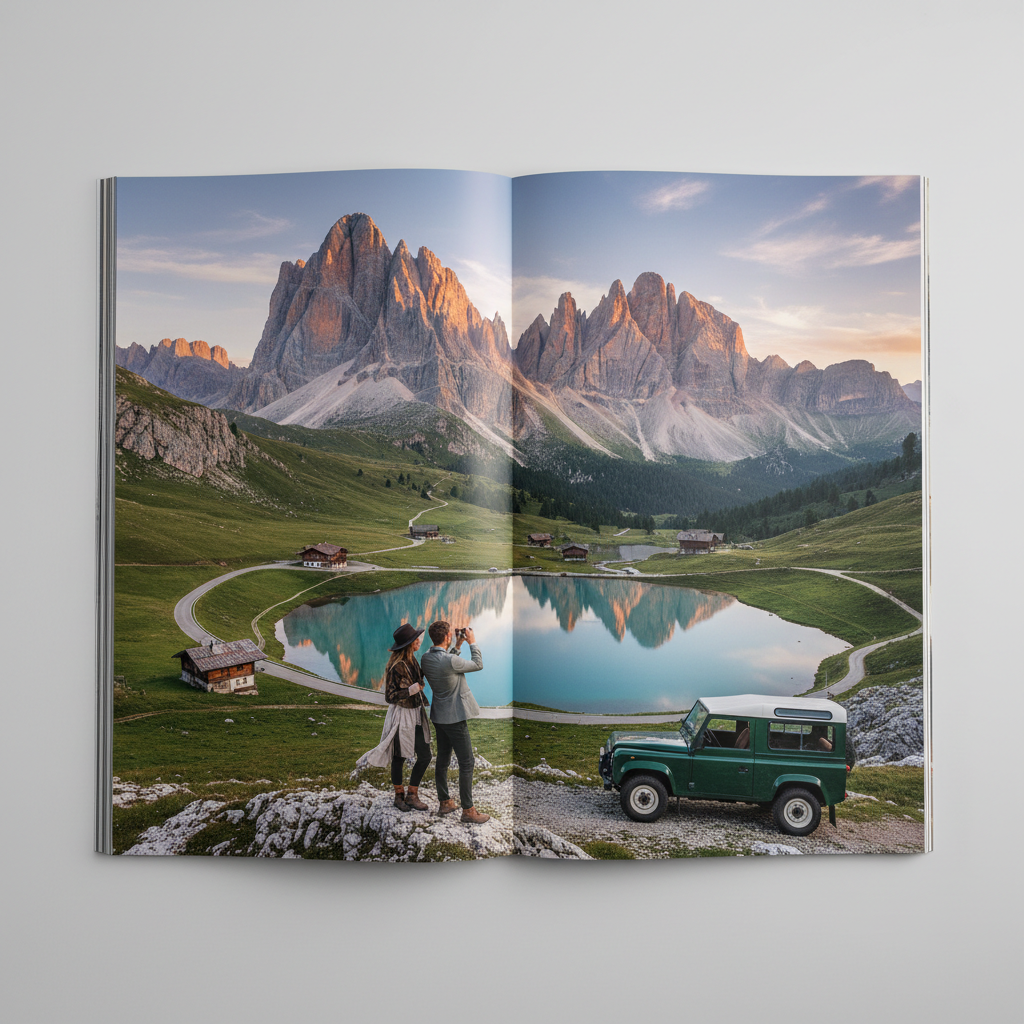
The Ultimate 2026/2027 Travel Guide to the Italian Dolomites
Introduction and Why Go Now
The travel landscape is constantly shifting, but few destinations have captured the collective imagination for 2026 and 2027 quite like the Italian Dolomites. Recognized as a UNESCO World Heritage site since 2009, this dramatic mountain range in northeastern Italy has always been a beloved getaway for European locals. However, it is currently experiencing an unprecedented surge in global interest. As the world turns its eyes toward Italy for the upcoming 2026 Milano-Cortina Winter Olympics, the Dolomites are stepping into the global spotlight. This imminent influx of attention is transforming the region, bringing with it a wave of modernized infrastructure, sustainable eco-lifts, and newly minted luxury accommodations, making this the absolute perfect time to plan your visit.
But the appeal of the Dolomites in 2026 goes far beyond winter sports and global events. We are living in an era where travelers increasingly seek the "Joy of Missing Out" (JOMO)—a desire to disconnect from the hyper-connected, overcrowded world and reconnect with nature. The Dolomites provide an unparalleled backdrop for this movement. Despite the Olympic buzz in hubs like Cortina d'Ampezzo, the region is vast enough that one can easily find remote valleys, silent pine forests, and high-altitude plateaus where the only sounds are the wind and the distant clanging of cowbells. This duality—the ability to experience world-class, high-energy events and completely secluded natural splendor in the same trip—is exactly why the Dolomites dominate the travel trend lists for the upcoming years.
Furthermore, changing global climate patterns are fundamentally altering how and where people travel. As southern European beaches experience increasingly sweltering summer temperatures, the "coolcation" trend has skyrocketed. Travelers are abandoning the crowded Mediterranean coasts in favor of the crisp, refreshing air of the Alps. The Dolomites offer a sophisticated alpine summer experience, complete with pristine lakes, endless hiking networks, and world-class culinary offerings that rival any coastal retreat. Whether you are seeking a high-adrenaline ski adventure, a luxurious wellness retreat, or a family-friendly nature escape, the Italian Dolomites are poised to deliver the most compelling travel experience of 2026 and 2027.
To maximize this once-in-a-generation travel window, you must look beyond the basic tourist traps. The region is brilliantly preserving its authenticity even amid the Olympic preparations. The integration of modern conveniences with deep-rooted Ladin and South Tyrolean cultural traditions ensures that your journey will be as culturally enriching as it is visually spectacular.
Top Things to Do and See
When compiling an itinerary for the Italian Dolomites, the sheer volume of activities can be staggering. This is a destination that demands active participation, yet generously rewards those who simply want to sit back and admire the view. The region is characterized by its monumental limestone peaks—often called the "Pale Mountains"—which turn a fiery pink and purple at sunset in a phenomenon known locally as the Enrosadira. To truly experience the magic of the Dolomites, you must engage with these landscapes across various altitudes and valleys. From gravity-defying via ferratas to leisurely e-bike rides through emerald pastures, the top things to do here cater to every conceivable level of adventure.
For winter visitors heading into the 2026 season, the focus is undeniably on the snow. The Dolomiti Superski is the largest ski carousel in the world, offering access to 12 ski resorts and 1,200 kilometers of interconnected slopes on a single pass. At the heart of this winter wonderland lies the legendary Sellaronda, a circular ski route that takes you around the massive Sella massif, crossing four distinct mountain passes. It is an absolute must-do for intermediate and advanced skiers. Meanwhile, the Olympic host town of Cortina d'Ampezzo provides world-class snowboarding, alpine skiing, and an electric atmosphere that will be buzzing with Olympic anticipation and subsequent legacy events throughout 2026 and 2027.
During the warmer months, the snow melts to reveal a hiker’s paradise of unparalleled beauty. The trails here are meticulously maintained, ranging from family-friendly strolls to multi-day high-altitude treks along the Alta Via routes. Beyond hiking, the region is famous for its via ferratas (iron paths)—historic climbing routes outfitted with steel cables, ladders, and bridges that were originally built by soldiers during World War I. Today, they allow adventurous travelers to safely scale vertical cliff faces and reach summits that would otherwise be reserved for expert mountaineers.
No matter what season you choose for your 2026/2027 getaway, certain iconic experiences simply cannot be missed. Be sure to include the following highlights in your itinerary:
- Hike the Tre Cime di Lavaredo: These three iconic, freestanding limestone battlement peaks are the enduring symbol of the Dolomites. The loop trail around them offers constantly changing, spectacular perspectives and is accessible for most fitness levels during the summer months.
- Explore Lago di Braies (Pragser Wildsee): Often referred to as the "Pearl of the Dolomite Lakes," this emerald-green glacial lake is framed by towering peaks. Arrive at sunrise to witness the perfect reflection of the Seekofel mountain in the still waters before the daytime crowds descend.
- Conquer the Sellaronda: Whether on skis in the winter or via a mountain bike during the summer, circumnavigating the Sella massif is a rite of passage. The route takes you through four Ladin valleys and offers panoramic views that are nothing short of cinematic.
- Drive the Great Dolomites Road: Stretching from Bolzano to Cortina d'Ampezzo, this historic driving route winds through some of the most dramatic mountain passes in Europe, including the Pordoi and Falzarego passes. Rent a classic car or a modern convertible to truly appreciate the towering scenery.
- Experience a Via Ferrata: For a blend of history and adrenaline, hire a local alpine guide and tackle a via ferrata. Routes range from beginner-friendly paths near Cortina to challenging, exposed ascents like the Via Ferrata Tridentina.
Where to Stay
The hospitality landscape in the Italian Dolomites is undergoing a magnificent renaissance ahead of the 2026 Winter Olympics. The region has long been known for its charming, family-run pensiones and traditional alpine chalets, but it has recently evolved into one of Europe's most exciting destinations for sustainable luxury. Today's visitors will find a stunning juxtaposition of traditional South Tyrolean architecture—characterized by carved wood and steeply pitched roofs—seamlessly integrated with cutting-edge, eco-friendly design, floor-to-ceiling glass windows, and world-class wellness facilities.
If you are seeking classic, high-octane glamour and luxury, Cortina d'Ampezzo remains the undisputed "Queen of the Dolomites." As a focal point of the 2026 Olympics, Cortina's historic grand hotels have undergone multi-million-dollar renovations. Properties here cater to a sophisticated international clientele, offering opulent suites, Michelin-starred dining, and exclusive access to the finest boutiques on the Corso Italia. Staying in Cortina means immersing yourself in a vibrant, see-and-be-seen atmosphere where the après-ski scene is just as important as the skiing itself. Expect unparalleled service, lavish alpine spas, and an ambiance steeped in old-world European elegance.
For a more intimate, wellness-focused luxury experience, the valleys of Alta Badia and Val Gardena are unmatched. These areas are pioneering a new form of boutique mountain hospitality. Here, you will find exclusive eco-lodges and design-forward hotels that blend seamlessly into the dramatic landscape. Many of these boutique properties place a heavy emphasis on holistic wellness, featuring expansive spa complexes that utilize local alpine ingredients—think hay baths, mountain pine scrubs, and saunas with panoramic views of the Sassolungo. The atmosphere in these valleys is quieter, more refined, and heavily centered around gastronomy and nature immersion.
Alternatively, for those seeking the ultimate remote luxury, the Alpe di Siusi (Seiser Alm)—the largest high-altitude alpine meadow in Europe—offers extraordinary boutique options. Accommodations here often take the form of hyper-luxurious, modernized farmhouses or exclusive architectural marvels that restrict vehicle traffic to ensure absolute tranquility. Waking up on the Alpe di Siusi means opening your windows to endless rolling green pastures (or pristine white snowfields) backed by jagged, monolithic peaks. It is the perfect choice for travelers wanting ski-in/ski-out convenience in the winter or immediate trail access in the summer, all wrapped in a cocoon of bespoke, understated luxury.
Best Time to Visit and Weather
One of the most crucial aspects of planning a trip to the Italian Dolomites is understanding its distinct, highly contrasting seasons. The region is a true dual-season destination, meaning the experience changes entirely depending on when you arrive. The Alpine climate is characterized by crisp, clean air, intense high-altitude sunshine, and the inherent unpredictability of mountain weather. For the 2026 and 2027 travel seasons, strategically timing your visit will be more important than ever to maximize your experience while navigating the increased influx of Olympic and trend-following tourists.
The winter season, stretching from early December through late March, transforms the Dolomites into a snowy paradise. This is when the region's Olympic pedigree shines brightest. Temperatures typically hover below freezing, particularly in January and February, ensuring excellent snow conditions for winter sports. Despite the cold, the Dolomites are famous for their sunny winter days—averaging eight out of ten days of sunshine. This clear weather is essential for witnessing the legendary enrosadira alpenglow on the snow-capped peaks. If you plan to visit during the 2026 winter season, booking your accommodations up to a year in advance is absolutely critical, as Olympic demand will fill the valleys to capacity.
Conversely, the summer season—from mid-June to September—is the prime time for hikers, climbers, and nature lovers. Daytime temperatures in the valleys are comfortably warm, usually ranging from 20°C to 25°C (68°F to 77°F), while the higher elevations provide a cool, refreshing escape from the heat of southern Europe. July and August are the busiest months, bringing vibrant alpine wildflowers to the meadows and lively festivals to the villages. However, summer in the mountains also brings the risk of sudden afternoon thunderstorms, so early starts are always recommended for outdoor activities.
For savvy travelers seeking the best of both worlds, the shoulder seasons are emerging as the smartest times to visit. Late September and October offer the magic of autumn, where the larch trees turn a brilliant, fiery gold, creating a stunning contrast against the grey limestone and blue skies. The crowds thin out significantly, offering a peaceful, slow-travel experience. However, be aware that November and May are considered "dead seasons" in the Dolomites. During these transitional months, the snow is melting or just beginning to fall, making neither skiing nor high-altitude hiking viable. Consequently, many hotels, cable cars, and restaurants shut down entirely for seasonal maintenance, so these months are best avoided unless you are strictly planning a valley-based road trip.
Local Cuisine and Dining Recommendations
The culinary scene in the Italian Dolomites is unlike anywhere else in Italy, offering a fascinating and mouth-watering fusion of cultures. Because the region encompasses the province of South Tyrol (which belonged to the Austro-Hungarian Empire until the end of World War I) as well as Trentino and Veneto, the food is a unique blend of hearty Germanic alpine traditions, ancient Ladin recipes, and classic Italian finesse. This is not the place for delicate seafood or light tomato pastas; instead, the cuisine is designed to fuel active days in the mountains, featuring rich, comforting ingredients like speck (smoked prosciutto), alpine cheeses, wild mushrooms, and root vegetables.
A cornerstone of the Dolomites dining experience is the Rifugio (mountain hut) culture. Forget everything you know about basic, cafeteria-style ski lodge food. In the Dolomites, mountain huts are culinary destinations in their own right, often requiring a scenic hike or a ski lift to access. Many of these high-altitude establishments serve gourmet, locally sourced meals that rival fine-dining restaurants. Picture yourself sitting on a sun-drenched wooden terrace at 2,500 meters, slicing into homemade Canederli (savory bread dumplings laced with speck or cheese) or Schlutzkrapfen (half-moon ravioli stuffed with spinach and ricotta, drenched in brown butter and chives), all while sipping a crisp glass of local white wine.
When the sun goes down, the region's high-end dining scene comes alive. The Dolomites boast an astonishing concentration of Michelin-starred restaurants, particularly in the Alta Badia valley, which has positioned itself as the culinary heart of the mountains. Here, visionary chefs take traditional mountain ingredients and elevate them using modern, avant-garde techniques. Dining at one of these establishments is a theatrical experience, often featuring tasting menus that tell the story of the local terroir. Pair your meal with exceptional regional wines; the Alto Adige region is globally renowned for its elegant, aromatic white wines like Gewürztraminer, Pinot Bianco, and Kerner, as well as robust reds like Lagrein and Pinot Nero.
To truly eat your way through the Dolomites in 2026, we recommend a high-low approach. Start your mornings with a robust Austrian-style breakfast of fresh breads, local jams, and cured meats at your boutique hotel. For lunch, ski or hike to a family-run Rifugio for a hearty, traditional meal and a slice of warm Apple Strudel topped with vanilla sauce. In the evenings, retreat to the valleys to experience the region's refined Italian side, indulging in Michelin-starred tasting menus or cozying up in a rustic stube (traditional wood-paneled dining room) for slow-cooked game meats and polenta. This dynamic culinary contrast is just another reason why the Dolomites leave such a lasting impression.
Conclusion
As we look toward 2026 and 2027, the Italian Dolomites stand unrivaled as a travel destination that seamlessly blends high-profile global excitement with pristine, untouchable natural beauty. The upcoming Winter Olympics will undoubtedly bring a new level of prestige and modern infrastructure to the region, yet the towering limestone peaks and quiet, sweeping valleys will remain as timeless and majestic as ever. Whether you are carving through fresh powder on the Sellaronda, witnessing the golden autumn larch trees in a remote valley, or savoring a Michelin-starred meal in a cozy alpine stube, the Dolomites offer a profound sense of place that is increasingly rare in modern travel.
However, with this rising popularity comes the necessity for careful planning. As the world rediscovers the magic of the Pale Mountains, securing your boutique accommodations, dining reservations, and guided excursions well in advance is paramount. The joy of traveling to the Dolomites lies not just in the breathtaking scenery, but in the seamless, unhurried luxury of the alpine lifestyle. By embracing the principles of slow travel and venturing beyond the most famous viewpoints, you will discover a region that is deeply rooted in history, fiercely protective of its environment, and incredibly welcoming to those who come to appreciate its wonders.
Ultimately, a journey to the Italian Dolomites is more than just a vacation; it is an immersion into a landscape that challenges, inspires, and rejuvenates the soul. Make 2026 the year you answer the call of the mountains, and prepare for an adventure that will linger in your memory long after the alpine glow has faded.
Let's craft your custom itinerary
Bring this destination to life with a personalized travel plan designed just for you.