
The Ultimate Travel Guide to the Dolomites, Italy: 2026/2027 Edition
Introduction and Why Go Now
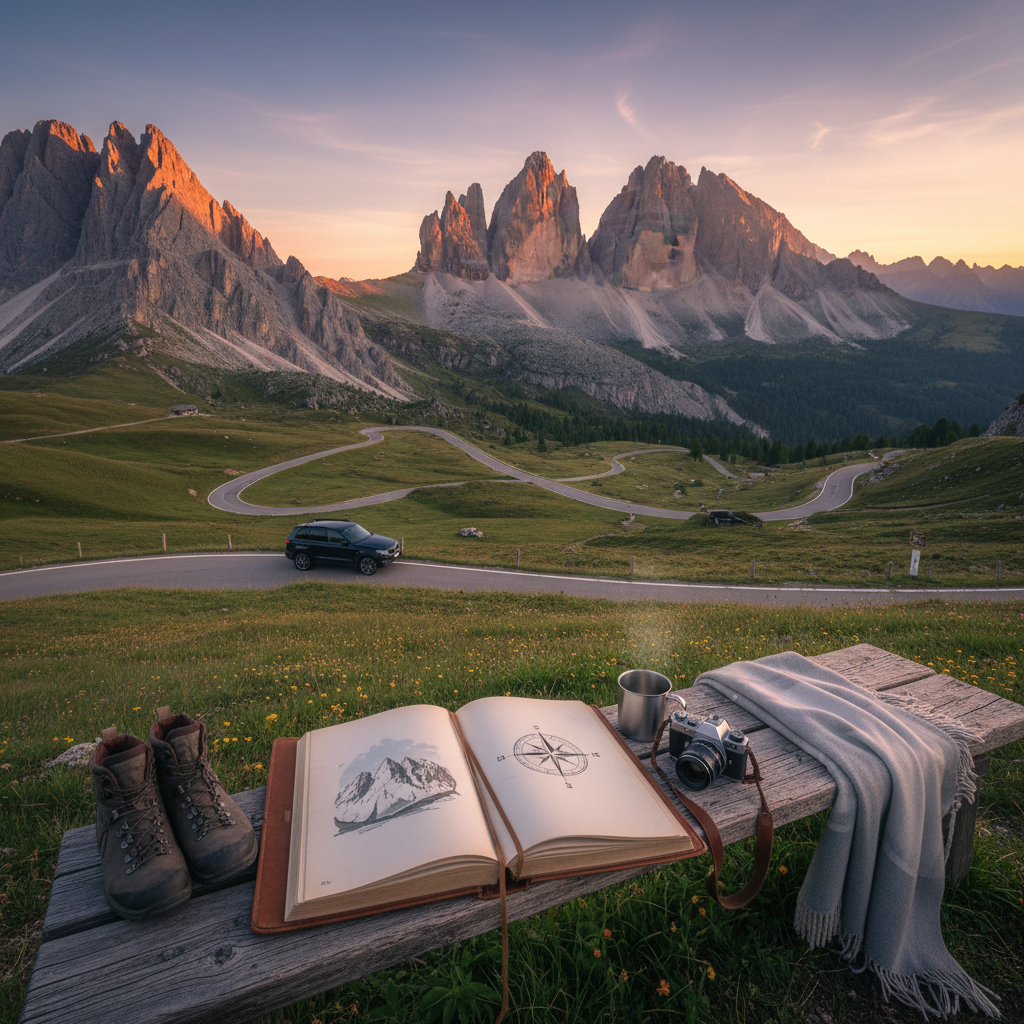
There are few places on Earth that command the senses quite like the Dolomites. Located in the northern reaches of Italy, this sprawling UNESCO World Heritage site is defined by its staggering, jagged limestone peaks that pierce the sky like ancient spires. Unlike the rounded slopes of other European mountain ranges, the Dolomites feature sheer cliffs, vertical walls, and deep, narrow valleys that create a dramatic, almost otherworldly landscape. At dawn and dusk, the mineral-rich rock faces catch the low sunlight, igniting in vibrant shades of pink, orange, and purple—a breathtaking natural phenomenon locally known as Enrosadira. But the allure of the Dolomites extends far beyond its geological wonders. Here, the Mediterranean soul of Italy intertwines with the robust traditions of the Austro-Hungarian Alps, creating a fascinating cultural tapestry where Italian, German, and the ancient Ladin languages are spoken interchangeably.
As we look toward 2026 and 2027, the Dolomites have unequivocally emerged as the most essential travel destination on the global map. The catalyst for this unprecedented surge in interest is the upcoming 2026 Winter Olympic and Paralympic Games (February 6–22, 2026), officially hosted by Milano and Cortina d'Ampezzo. This monumental event has channeled billions of euros into the region, resulting in spectacular infrastructure upgrades, the unveiling of cutting-edge luxury hospitality projects, and a renewed commitment to sustainable tourism. Yet, even with this influx of modern development, the region has fiercely protected its pristine natural environments and ancestral heritage. For discerning travelers, 2026 presents a once-in-a-lifetime opportunity to experience the electric atmosphere of the Olympic preparations and the games themselves, while 2027 promises the luxurious aftermath—brand-new amenities, whisper-quiet electric transport networks, and seamlessly upgraded ski and hiking lifts, all without the immediate Olympic crowds.
Beyond the magnetic pull of the Winter Games, the region is responding to a broader shift in modern travel desires. Today's luxury travelers are seeking out destinations that offer profound connections to nature, immersive wellness experiences, and sustainable practices—all of which the Dolomites deliver in spades. The "slow travel" movement has found its ultimate sanctuary in these valleys, where visitors are encouraged to linger rather than rush, whether they are soaking in a panoramic infinity pool suspended over a valley or taking a mindful walk through centuries-old larch forests. The air here is an elixir, crisp and heavily scented with pine, instantly resetting the weary traveler's nervous system.
Ultimately, the Dolomites in 2026 and 2027 offer an unparalleled juxtaposition of high-adrenaline adventure and world-class relaxation. It is a place where you can spend your morning conquering a challenging vertical rock face or carving through Olympic-grade powder, and your afternoon indulging in a holistic alpine spa treatment followed by a Michelin-starred dinner. As the world turns its eyes to northern Italy, there has never been a better time to discover—or rediscover—the profound majesty of the "Pale Mountains." The region is ready for its close-up, and it promises to leave an indelible mark on everyone who wanders into its majestic embrace.
Top Things to Do and See
The sheer scale and diversity of the Dolomites mean that creating an itinerary can feel like a daunting task. The region spans several distinct provinces and valleys, each offering its own unique topography and cultural flavor. Whether your perfect holiday involves pushing your physical limits on steep alpine trails, cruising down impeccably groomed ski runs, or simply taking in the majestic views from the comfort of a panoramic cable car, the Dolomites cater to every conceivable travel style. To truly capture the essence of this high-altitude paradise, a strategic approach is essential, blending iconic bucket-list landmarks with quieter, off-the-beaten-path cultural immersions.
When compiling your must-do list, the natural landmarks naturally take center stage. Below are some of the most spectacular experiences the region has to offer:
- Trekking the Tre Cime di Lavaredo: The undisputed icons of the Dolomites, these three massive monoliths of rock jut dramatically out of the earth. The loop hike around their base is relatively accessible and offers shifting, 360-degree perspectives of the peaks. Along the way, traditional rifugios (mountain huts) provide the perfect excuse to stop for a hot espresso or a slice of strudel while soaking in the panoramic vistas.
- Skiing the Legendary Sella Ronda: For winter visitors, the Sella Ronda is the holy grail of alpine skiing. This circular, interconnected ski route spans approximately 40 kilometers and wraps entirely around the immense Sella massif. Thanks to a seamless network of high-speed lifts and meticulously maintained pistes, intermediate to advanced skiers can complete the entire loop in a single day, passing through four distinct Ladin valleys.
- Exploring Lago di Braies (Pragser Wildsee): Often described as the "Pearl of the Dolomite Lakes," this glacial lake boasts crystalline, emerald-green waters that perfectly reflect the imposing face of the Seekofel mountain. To fully appreciate its serene beauty without the heavy summer crowds, arrive at dawn, rent one of the nostalgic wooden rowboats, and glide quietly across the glassy surface.
- Riding the Seceda Cable Car: For one of the most photographed views in the world, take the cable car up from Ortisei to the Seceda ridgeline. At the summit, you are greeted by the astonishing sight of the Odle peaks—a jagged row of teeth-like spires tilting dramatically into the sky, framed by rolling green pastures.
Beyond the spectacular outdoor recreation, the Dolomites offer a rich tapestry of history and culture that demands exploration. History buffs and thrill-seekers alike should try navigating a Via Ferrata (iron path). Originally constructed by soldiers during World War I to move troops safely across the treacherous vertical terrain, these protected climbing routes use steel cables, rungs, and ladders fixed to the rock. Today, they offer an exhilarating way for non-expert climbers to experience the sheer verticality of the mountains safely.
For a deep dive into the region's human geography, dedicate an afternoon to the Messner Mountain Museums. Conceived by legendary mountaineer Reinhold Messner, this network of museums is scattered across various peaks and valleys. The crown jewel is the MMM Corones, perched atop the Kronplatz mountain. Designed by the visionary architect Zaha Hadid, the futuristic concrete structure is built directly into the rock face, with sweeping glass panels that offer dizzying views of the surrounding ranges. Paired with a drive along the Great Dolomites Road—a historic engineering marvel that winds its way from Bolzano to Cortina d'Ampezzo—these cultural excursions perfectly balance the region's physical adventures.
Where to Stay
The hospitality landscape in the Dolomites has undergone a remarkable metamorphosis over the last decade, transitioning from simple, rustic alpine lodgings to some of the most avant-garde and luxurious wellness retreats in Europe. The architecture of these modern sanctuaries is a masterclass in contextual design, seamlessly blending reclaimed timber, raw local stone, and vast expanses of floor-to-ceiling glass that dissolve the boundary between the indoors and the majestic outdoors. These properties are not merely places to sleep; they are holistic wellness destinations focused on regeneration, utilizing the surrounding alpine environment as their greatest amenity.
As the official co-host of the 2026 Winter Olympics, Cortina d'Ampezzo—often affectionately referred to as the "Queen of the Dolomites"—is experiencing a modern renaissance of luxury. This glamorous town has long been the favored winter playground of European aristocracy and Hollywood elite, known as much for its high-end boutiques along the Corso Italia as for its ski slopes. In preparation for the Games, iconic heritage properties are receiving spectacular revitalizations. Discerning travelers will find unparalleled elegance at properties like the Grand Hotel Savoia or the highly anticipated reopening of the historic Hotel Cristallo, operating under the ultra-luxury Rosewood banner. Staying in Cortina means immersing yourself in an elite social scene, where the après-ski culture is defined by vintage Champagne, designer snow gear, and sophisticated alpine charm.
If your travel ethos leans more toward secluded boutique luxury and intense wellness, the valleys of Alta Badia, Val Gardena, and the surrounding plateaus are where you should anchor your trip. Properties here embrace a philosophy of profound tranquility. Consider the Adler Lodge Ritten, an all-inclusive eco-hideaway nestled in a forest clearing, featuring individual luxury chalets and a stunning heated infinity pool that seemingly floats above the valley. Similarly, the Forestis Dolomites, located near Brixen, offers a hyper-minimalist, adults-only sanctuary where the focus is on nature and silence. Their spa facilities are world-renowned, offering holistic treatments that incorporate pure local spring water, mountain pine, and ancient Celtic healing traditions. Another legendary option is Rosa Alpina in San Cassiano (partnered with Aman), which offers legendary bespoke service, understated elegance, and intimate access to the mountains.
Finally, no guide to the Dolomites would be complete without mentioning the elevated Rifugio experience. Staying high up in the mountains is no longer an experience reserved strictly for rugged backpackers carrying sleeping bags. Today, several upscale mountain huts offer an extraordinary blend of wilderness and refined comfort. Places like Rifugio Lagazuoi or Col Pradat offer private suites with comfortable beds, en-suite bathrooms, and even high-altitude saunas. The true luxury of a rifugio stay is geographical: when the day-trippers take the last cable car down to the valley, you are left alone atop the world. You can watch the unforgettable Enrosadira sunset in utter silence, enjoy a gourmet Ladin dinner by a crackling fire, and wake up to be the absolute first person carving tracks into the fresh morning snow.
Best Time to Visit and Weather
The Dolomites are a masterclass in seasonality, operating as two entirely distinct travel destinations depending on whether you visit in the snowy embrace of winter or the vibrant bloom of summer. Because the region experiences significant climate variations based on altitude and valley orientation, choosing the right time to visit requires careful consideration of what exactly you want to get out of your trip. The weather here dictates not just what you pack, but the very rhythm of your daily itinerary.
The Winter Season, running from December through late March, transforms the region into a snowy wonderland of Olympic proportions. February 2026, in particular, will be the most electrifying time in the region's modern history as the Winter Games take over. During these months, expect daytime temperatures in the valleys to hover just around or below freezing (0°C to -5°C), while higher elevations will be considerably colder. The Dolomites are famous for their remarkable winter weather phenomenon: "eight days of sun out of ten," meaning you will often ski under brilliant, cloudless blue skies. The snowmaking infrastructure here is arguably the most advanced in the world, ensuring pristine, corduroy-groomed slopes even if natural snowfall is light. Beyond skiing, December visitors are treated to the magical atmosphere of the South Tyrolean Christmas markets in towns like Bolzano, Merano, and Bressanone, where the scent of mulled wine and roasted chestnuts fills the crisp evening air.
The Summer Season, spanning from June to September, strips away the white blanket to reveal impossibly green alpine pastures bursting with vibrant wildflowers. This is the prime window for hiking, cycling, and climbing. Daytime temperatures are generally pleasant and mild, typically ranging from 18°C to 25°C in the valleys, though it remains much cooler up on the peaks. The intense Mediterranean sun can feel surprisingly hot at high altitudes, so high-SPF sunscreen and layers are essential. It is worth noting that July and August are the peak European holiday months; the trails are at their busiest, and afternoon thunderstorms are a frequent, albeit brief, occurrence. If you are planning a summer trip for 2026 or 2027, booking accommodations and mountain huts up to a year in advance is highly recommended to secure your preferred itinerary.
For those who prioritize solitude and value atmosphere over ticking off major attractions, the shoulder seasons hold a quiet, secret magic—particularly Autumn. Late September through October is a visually spectacular time to visit, characterized by the "Larch transition." Unlike most conifers, the alpine larch trees turn a brilliant, fiery gold before dropping their needles, setting the lower slopes ablaze with color against the dusting of early snow on the peaks. The air is crisp, the light is exceptionally clear for photography, and the bustling crowds have vanished. Conversely, travelers should be incredibly cautious about visiting in the "mud seasons" of November and May. During these transitional months, the snow is melting or just beginning to fall, rendering hiking trails treacherous and skiing impossible. Most importantly, the vast majority of hotels, restaurants, and cable cars completely shut down during this time for annual maintenance and employee holidays.
Local Cuisine and Dining Recommendations
If you arrive in the Dolomites expecting the traditional Italian staples of pizza and tomato-heavy pasta, your palate is in for a glorious surprise. The culinary identity of this region is a fascinating, delicious anomaly, born from the geographical and historical crossroads of Italy and the Austro-Hungarian Empire, and deeply rooted in the resourcefulness of the indigenous Ladin people. Here, the cuisine is characterized by hearty, warming mountain fare that has been elevated to an art form, utilizing hyper-local ingredients that are foraged, fermented, and farmed in the surrounding high-altitude environments. It is a cuisine designed to fuel long days in the harsh elements, yet it is served with undeniable Mediterranean elegance.
The quintessential dishes of the Dolomites reflect this unique cultural blend. You must start your culinary exploration with Canederli (or Knödel in German), which are large, savory bread dumplings typically studded with smoky speck (a local dry-cured, lightly smoked ham) and local cheeses, served either swimming in a rich beef broth or pan-fried with a simple dressing of brown butter and sage. Another absolute must-try is Casunziei, delicate half-moon ravioli traditionally stuffed with sweet, earthy beetroot and finished with a lavish shower of melted butter and crunchy poppy seeds. For dessert, the Austro-Hungarian influence shines brightest with Kaiserschmarrn, a thick, fluffy, torn pancake caramelized with sugar, dusted with powdered snow-sugar, and served piping hot alongside a tart lingonberry or apple compote.
Remarkably, this rugged mountain region boasts one of the highest concentrations of Michelin-starred restaurants in Italy, turning towns like Alta Badia and San Cassiano into international gastronomy hubs. Pioneering chefs have embraced a "Cook the Mountain" philosophy, fiercely dedicated to sustainability and the exclusive use of alpine ingredients. Though the legendary St. Hubertus has undergone recent conceptual shifts, its legacy continues to inspire the entire region. Diners can experience this high-altitude haute cuisine at places like Atelier Moessmer Norbert Niederkofler in Brunico, where you will not find olive oil or citrus; instead, flavors are coaxed from mountain pine, fermented lichens, wild berries, and freshwater trout. Meals here are complex, multi-sensory storytelling experiences that connect the diner directly to the surrounding alpine terroir.
Perhaps the most joyous culinary tradition in the Dolomites, however, is the on-mountain dining experience. In many other ski resorts worldwide, a mid-mountain lunch means a cafeteria tray and a soggy burger. In the Dolomites, you ski or hike into a cozy, sun-drenched wooden chalet to find white linen tablecloths, crystal glassware, and an exceptional wine list highlighting Alto Adige DOCs like aromatic Gewürztraminer, robust Lagrein, or light, chillable Schiava. At iconic mountain huts like Club Moritzino at the top of Piz La Ila, you can feast on truffle-laced pasta and fresh seafood—flown in daily from the Venetian coast—while a DJ plays lounge music against a backdrop of snow-capped peaks. Whether you are dining in a three-star temple of gastronomy or a lively mountain rifugio, eating in the Dolomites is an unforgettable celebration of alpine culture.
Conclusion
As we look ahead to the travel landscapes of 2026 and 2027, the Dolomites stand out not merely as a trending destination, but as a region experiencing a profound historical renaissance. The infusion of Olympic energy and infrastructure has undoubtedly polished this alpine jewel to a brilliant shine, yet it is the enduring, timeless qualities of the region that will capture your heart. It is the silent majesty of the pale peaks turning pink at dusk, the warmth of a Ladin greeting in a wooden mountain hut, and the crisp, pine-scented air that fills your lungs as you stand atop a summit.
A journey to the Dolomites is a masterclass in balance. It seamlessly marries the adrenaline of world-class outdoor recreation with the indulgent relaxation of avant-garde wellness, and pairs rugged mountain heritage with unmatched culinary sophistication. Because of the heightened global attention surrounding the upcoming Winter Games, proactive planning is more crucial than ever. Accommodations, renowned restaurants, and specialized guides will book out well in advance. Do not wait to secure your place in this high-altitude paradise. Whether you are carving down pristine Olympic slopes in the dead of winter or hiking through sun-drenched, wildflower-filled valleys in the summer, the Dolomites promise a transformative travel experience that will linger in your memory long after you have descended back to the lowlands.
Let's craft your custom itinerary
Bring this destination to life with a personalized travel plan designed just for you.